
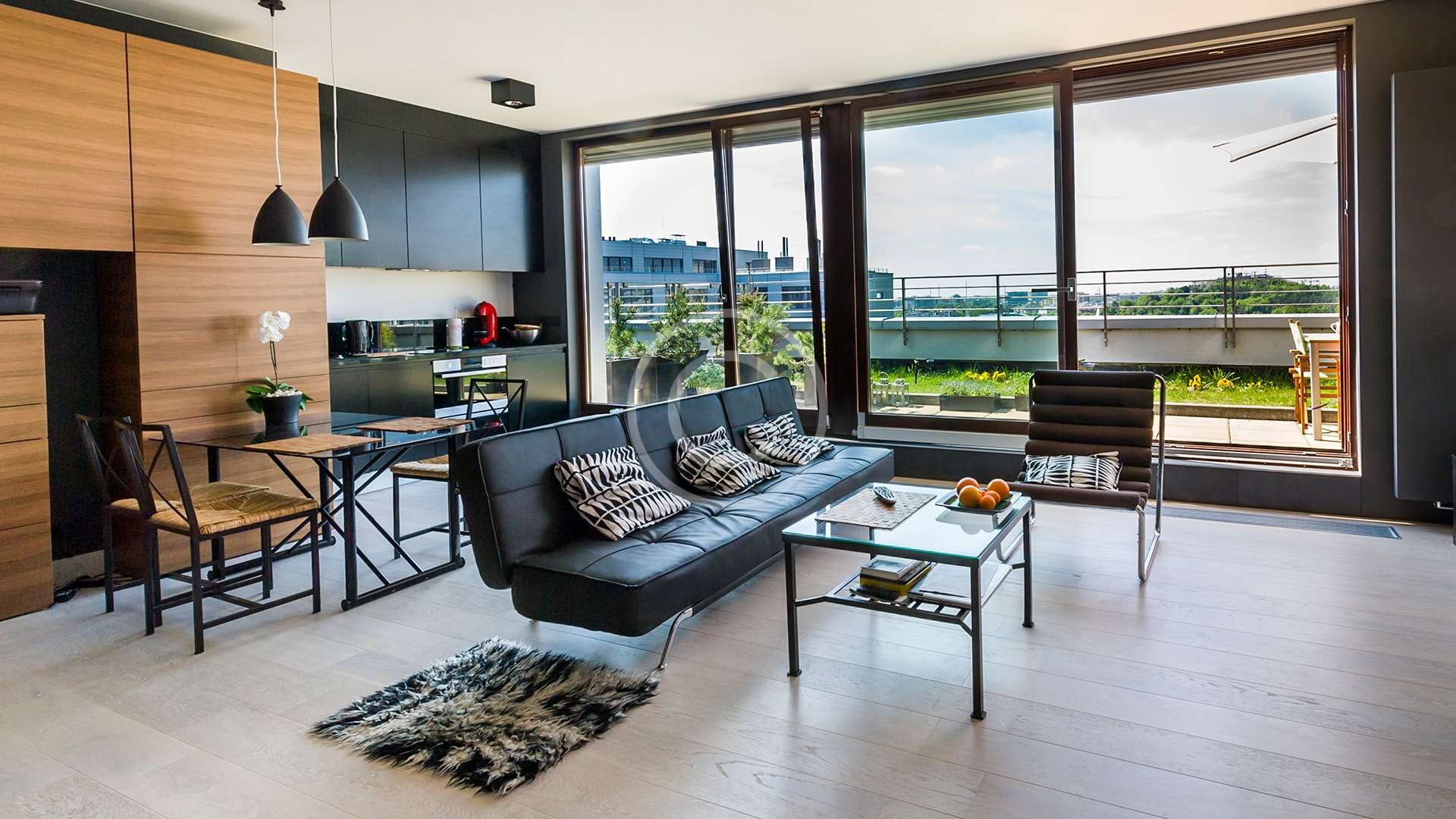
Creating dedicated spaces and facilities for senior citizens in society is essential for promoting their well-being, social inclusion, and overall quality of life. These spaces cater to the unique needs and interests of older adults and can take various forms, including senior centers, retirement communities, and age-friendly public spaces. Here are some key aspects of spaces for senior citizens in society:
- Senior Centers: Senior centers are community facilities designed to provide a wide range of services and activities specifically for older adults. These centers often offer social, recreational, educational, and health-related programs. Activities can include exercise classes, arts and crafts, educational workshops, and social gatherings. They can also provide access to resources like legal assistance, counseling, and health screenings.
- Retirement Communities: Retirement communities are residential facilities designed for older adults who are typically retired or semi-retired. They offer various levels of care, from independent living to assisted living and skilled nursing care. These communities provide a safe and supportive environment for seniors, offering amenities like communal dining, fitness centers, and organized social activities.
- Age-Friendly Public Spaces: Creating age-friendly public spaces is crucial for ensuring that seniors can actively participate in their communities. This includes designing sidewalks, parks, and recreational areas to be accessible and safe for older adults. Features such as benches, ramps, well-lit pathways, and public transportation options can enhance seniors’ mobility and engagement in community life.
- Healthcare Facilities: Access to healthcare services is particularly important for seniors. Proximity to medical clinics, hospitals, and pharmacies is crucial for their health and well-being. Having healthcare facilities that cater to the specific needs of older adults, such as geriatric clinics, can be beneficial.
- Affordable Housing: Affordable and accessible housing options are essential for seniors, especially those on fixed incomes. Designing housing with features like grab bars, step-free entrances, and wider doorways can make living spaces more suitable for seniors’ needs.
- Cultural and Recreational Activities: Spaces for senior citizens should offer a variety of cultural and recreational activities that cater to their interests. This can include book clubs, gardening clubs, music performances, and cultural outings.
- Transportation Services: Senior-friendly transportation services, such as senior shuttle programs or accessible public transit options, can help older adults maintain their independence and access essential services and social activities.
- Community Engagement: Encouraging seniors to engage actively in their communities by volunteering, sharing their expertise, or participating in decision-making processes can foster a sense of purpose and social connection.
- Safety and Security: Creating secure environments is crucial to ensure that seniors feel safe in their communities. Adequate lighting, emergency response systems, and community watch programs can enhance safety.
- Inter-generational Programs: Spaces for seniors can also benefit from inter-generational programs that bring together different age groups for mutual learning and support. These programs can combat social isolation and build bridges between generations.
In summary, spaces for senior citizens in society should be designed to enhance the physical, mental, and social well-being of older adults. These spaces can promote active aging, support independence, and ensure that seniors remain integrated and valued members of their communities. It’s important for societies to recognize the needs of their aging populations and invest in creating age-friendly environments.
